Six Signs Your Wiring Is Asking for Help
Wiring problems rarely announce themselves loudly. These six small signs are usually the only warning you get.
September 11, 2026 · 3 min read
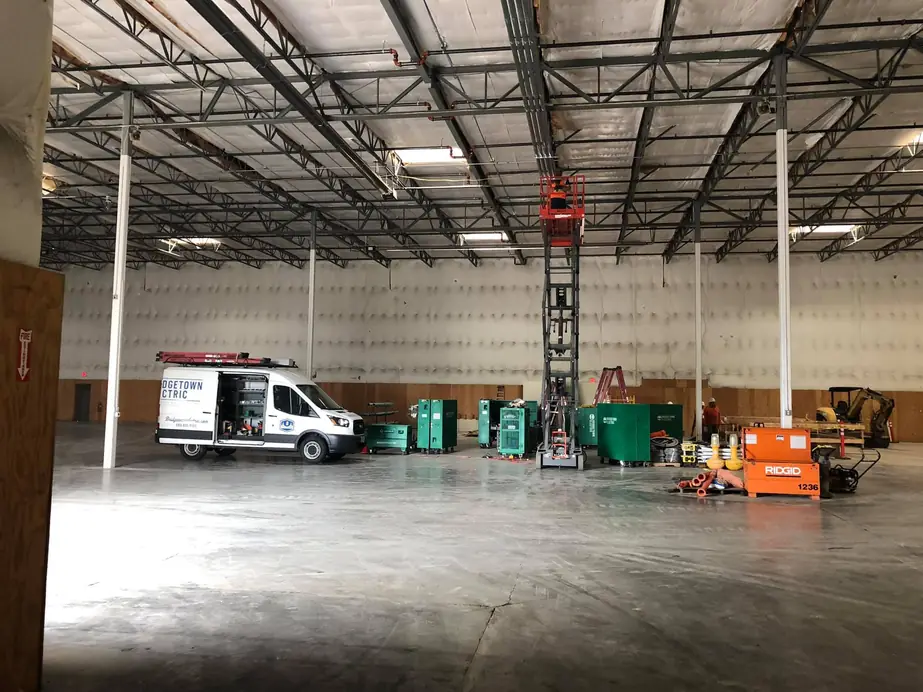
Most electrical problems don't announce themselves with a bang. They show up as small annoyances you get used to: a light that flickers a little, a breaker that trips if you run the microwave and the toaster at the same time, an outlet that's warm when you unplug something. None of that is normal, and together it's your wiring asking for help before something worse happens.
Six signs worth paying attention to
- Lights that flicker or dim when a bigger appliance kicks on
- A breaker that trips repeatedly, especially the same one every time
- Outlets or switch plates that feel warm, or show scorch marks
- A burning or hot plastic smell with no obvious source
- Buzzing, crackling, or humming coming from outlets, switches, or the panel
- Two prong outlets with no ground, still common in homes built before the 1960s
What each sign usually means
Flickering lights are almost always a connection problem somewhere between the panel and the fixture, not the fixture itself. It might be a loose neutral, a switch connection that's loosened over the years, or, less often, a service conductor problem outside the house entirely. It's rarely the light bulb, even though that's the first thing most people replace.
A breaker that trips once during a storm is doing its job. A breaker that trips every time you run the same appliance is telling you the circuit is either overloaded or has a fault somewhere along its length, and resetting it repeatedly without finding the cause is how a nuisance turns into a real problem.
Warmth at an outlet or switch usually means a loose connection generating resistance, which generates heat. It's one of the more common findings behind an electrical fire that started slowly enough that nobody noticed until it wasn't slow anymore.
Two prong outlets aren't automatically dangerous by themselves, but they mean anything you plug in there has no path to ground if something goes wrong internally, which matters more now than it did when most household appliances were simpler.
Why these matter more together than alone
Any one of these on its own might have a simple explanation. Together, especially in a house that hasn't been rewired since it was built, they point at wiring that's aging out of what it was designed to handle. St. Johns and North Portland have a lot of housing stock from well before today's electrical demand was normal, and old wiring doesn't usually fail loudly. It fails slowly, and the six signs above are typically the only warning you get before it fails at an inconvenient moment.
A flickering light by itself might just be a loose bulb. A breaker that trips once during a storm might just be a surge. It's the pattern that matters: the same breaker every week, warmth that doesn't go away, a smell that comes back. That pattern is the difference between a quick fix and a wall you'll wish you'd opened sooner.
What we do about it
If even one of these sounds familiar, it's worth having it looked at rather than waiting for the seventh sign. We handle repairs on breakers, outlets, switches, and wiring, along with rewiring where a section of the house has simply outgrown what's behind the walls. We also run full home electrical and home safety inspections if you'd rather start with a clear picture of the whole house before deciding what to fix first.
Rewiring doesn't always mean the whole house
Rewiring a home doesn't have to mean opening every wall at once. Older houses are usually rewired room by room or circuit by circuit as budget allows, starting with whichever areas show the worst symptoms first, the kitchen, a home office, wherever the breaker trips the most. We can walk you through what that looks like staged out rather than all at once.
If your smoke detectors are more than ten years old, or you're not sure whether they're hardwired or running on batteries alone, that's worth checking at the same time. A wiring problem and an aging smoke detector are a bad combination to have in the same house at the same time.
Bridgetown Electric has been a family business since 1994, two generations in, licensed, bonded, and insured under OR CCB #103824. We're rated 4.4 out of 5 across 48 Google reviews, with Travis and James both named repeatedly for catching things other people missed. If your house is showing any of these six signs, call (503) 621-7122 or email office@bridgetownelectric.com. We're open Monday through Friday, 8 to 4, out of 4702 N Lombard St.
Bridgetown Electric, (503) 621-7122
Call (503) 621-7122More articles
What an Electrical Inspection Actually Checks
A walk-through of exactly what we look at, room by room, when we inspect a Portland home's wiring.
Signs Your Portland Panel Needs Upgrading
Breaker panels rarely fail all at once. Here's what they look like right before they do.